Every executive asking about AI agents eventually lands on the same question. It usually comes right after the demo, when the room goes quiet: “What stops it from doing something we didn’t ask it to?”
For two years the honest answer was a shrug dressed up as a policy document. This week it became a shipping feature. OpenAI and ServiceNow expanded the partnership they announced in January, and the most important sentence in the whole release isn’t about models or benchmarks. It’s this: the agent can only do what the connecting employee could do.
That one line does more for agent security than a year of vendor whitepapers.
What actually shipped
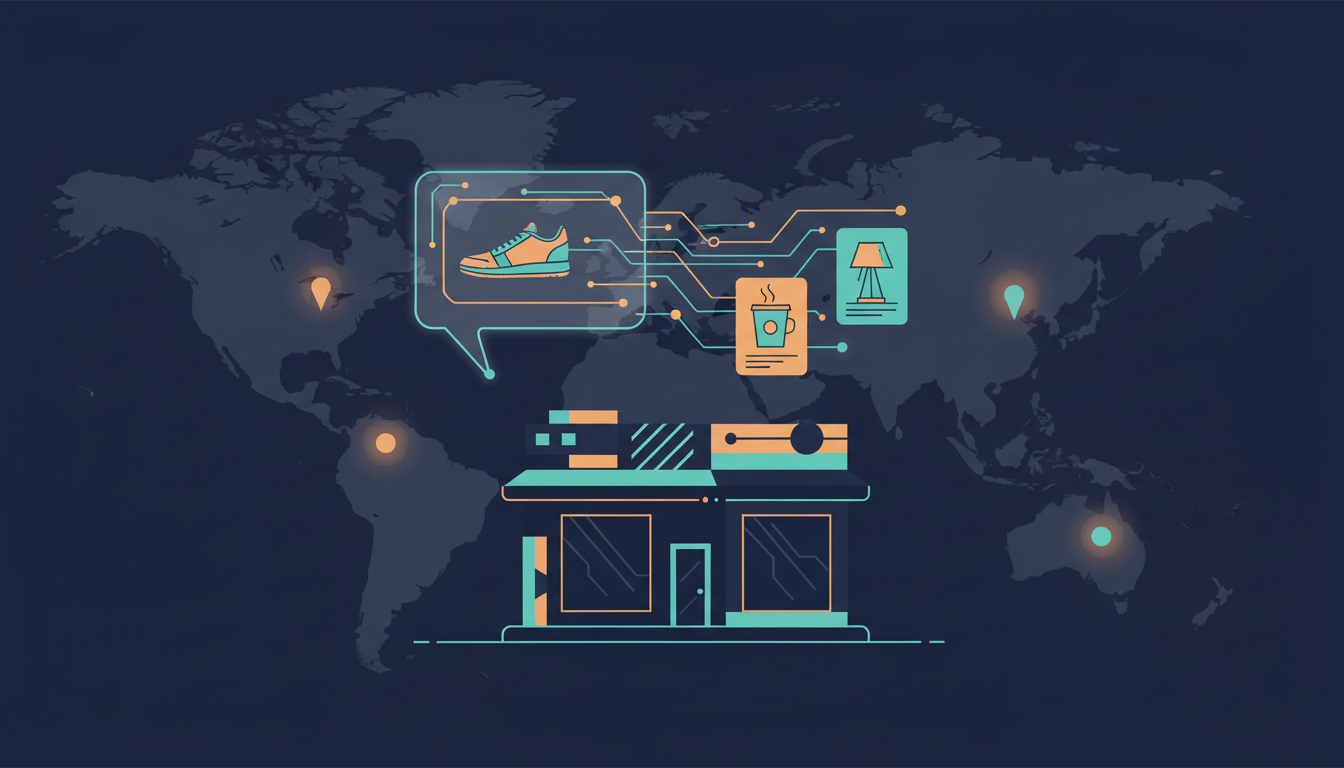
The headline feature is a ServiceNow integration inside ChatGPT. Your company connects its own ServiceNow instance, and the conversation stops being generic. An IT engineer can ask ChatGPT to pull up similar incidents, get a risk read on a proposed change, and update the ServiceNow record — all without leaving the chat.
Behind that, the deal runs in both directions. More ServiceNow products get OpenAI models and agents under the hood, spread across development, IT, and security workflows. ServiceNow is putting ChatGPT Work and Codex in the hands of its entire employee base, not just engineers. OpenAI itself now runs its own ServiceNow workflows internally, which is the kind of dogfooding that suggests actual usage rather than a logo swap.
There’s a roadmap attached. The ServiceNow MCP plugin is in the OpenAI marketplace today. Security capabilities reach early access in January 2027 and general availability in Q2. Voice lands inside ServiceNow’s control tower product in Q1.
The permission model is the story
None of that is why this matters. The reason this announcement deserves your attention is ServiceNow’s Action Fabric, the layer that sits between the agent and every action it attempts.
The design is almost boring: every workflow the agent tries runs through the same business rules and permission checks that already govern the human who connected it. If your account can’t approve a change, your agent can’t either. If a record is invisible to you, it’s invisible to the model. The agent inherits your access — all of it, and nothing more.
Permission inheritance is not a new idea. Your operating system has done it for decades. What’s new is seeing it applied to AI agents in a product that thousands of enterprises already run, with no rearchitecture required. The scariest question in agentic AI (“what is this thing allowed to do?”) gets the least glamorous answer possible: exactly what you are allowed to do, enforced by the same system that already knew.
Compare that to the alternative most vendors were peddling — standalone agents with their own credentials, their own scopes, a brand-new attack surface. A superuser bot with a vague promise of guardrails. The ServiceNow approach wins precisely because it refuses to be clever.
Agents are entering through the side door
Step back, though, and a pattern shows up across 2026: agents aren’t arriving as the autonomous employees the keynotes promised. They’re arriving as capabilities bolted onto the workflow tools companies already trust.
That’s not a disappointment. It’s the correct order of operations.
A standalone agent asks an organization to extend trust to something entirely new. An agent inside ServiceNow, capped at the permissions of the person who launched it, asks for something much smaller: trust that your existing permission system works. IT teams already know how to answer that question. They’ve been answering it since the first employee demanded admin rights on their laptop.
ServiceNow CEO Bill McDermott is framing his company as the “control tower” that governs AI across the enterprise. Strip the marketing and there’s a real bet here: the system of record becomes the system of permission, and whoever holds the permissions holds the agents.
What to do now
If you’re evaluating agents for your company, this announcement gives you a concrete checklist.
Demand permission inheritance. Any agent that connects to your systems should run under a named human’s credentials, capped at that person’s access. If a vendor proposes agents with independent superuser accounts, treat it as a design smell. This is now a shipping pattern at scale, not a theoretical demand.
Audit before you connect. Permission inheritance means your agent’s blast radius equals your messiest employee’s access. If one person in finance can touch eleven systems, their agent can too. The integration arriving in your ChatGPT instance is a good deadline for cleaning that up.
Start with the workflow, not the agent. The use cases that work here are narrow: incident lookup, change-risk assessment, record updates. Pick one painful workflow that lives inside a governed tool, and let the agent earn trust there before anyone talks about autonomy.
Watch the January window. Security capabilities hit early access in January 2027. If agent governance is on your 2027 planning docs, that’s the moment to get hands-on with what “control tower” actually means in practice.
The quiet lesson
The most useful thing in this announcement isn’t a feature. It’s a philosophy: the safest agent is the one with the least novel authority. No new credentials, no bespoke permission scheme, no trust model your auditors have to invent from scratch. Just an agent that shows up to work as you — with your access, your limits, and your audit trail.
Two years of agent hype assumed the breakthrough would be more autonomy. It turns out the thing enterprises actually needed was less.
Based on OpenAI’s announcement of its expanded ServiceNow partnership, October 31, 2026.